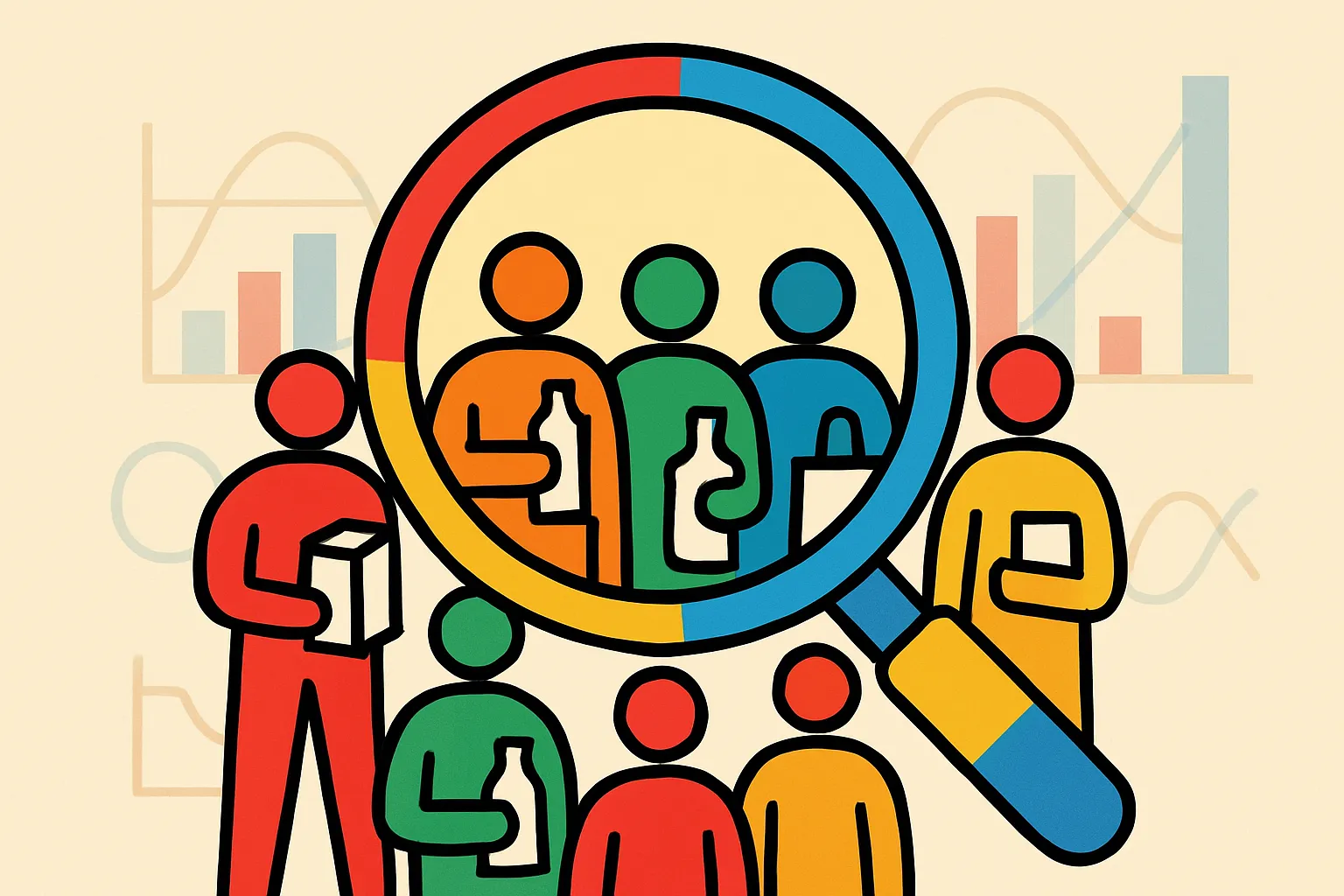
Unlock Product Success by Understanding Your Users' Needs
Why User Understanding Drives Product Success
I've spent years launching products that either soared or stumbled, and I can tell you this with certainty: the difference between success and failure almost always comes down to how well you understand your users. It sounds simple, but you'd be surprised how many teams skip this fundamental step, rushing straight to features and aesthetics without stopping to ask who they're actually building for.
Understanding user needs isn't just about conducting a survey and calling it a day. It's about developing a deep, ongoing relationship with the people who will ultimately determine whether your product succeeds or gets forgotten in an app drawer somewhere. When you truly grasp what motivates your users, what frustrates them, and what they're trying to accomplish, you make better decisions at every stage of product development.
Throughout my career, I've watched products transform from mediocre to exceptional simply because the team took time to understand their users. I've also seen well-funded projects with brilliant technology fail because they built something nobody actually wanted. The pattern is clear: user understanding isn't optional—it's the foundation of product success. Let me walk you through exactly why this matters and how you can apply these principles to your own products.
Quick Takeaways
- User feedback reveals blind spots in your product that internal teams simply can't see on their own
- Segmenting your user base allows for targeted improvements that resonate with specific groups rather than generic solutions
- Real user testing before launch catches usability issues that would otherwise damage your reputation and adoption rates
- Data-driven decisions remove guesswork and politics from the product development process
- Building community around your product creates loyal advocates who provide ongoing insights and drive organic growth
- Continuous user research should be embedded into your process, not treated as a one-time project
- Understanding user needs directly correlates with reduced churn, higher satisfaction, and better business outcomes
The Real Cost of Ignoring User Needs
Let's talk about what happens when you don't prioritize understanding your users. I've seen it firsthand, and it's painful to watch.
A team spends months building features they think users want. They launch with fanfare. Then crickets. Or worse—users try the product once and never come back. The problem? They built assumptions into code instead of validating actual needs.
The financial impact is significant. You're not just wasting the initial development investment—you're burning through runway while your competitors who do understand their users capture market share. Every feature built on faulty assumptions is technical debt you'll eventually need to fix or remove entirely.
Beyond money, there's the opportunity cost. Those months spent building the wrong thing could have been spent creating something users actually love. Your team's morale suffers when adoption numbers don't meet expectations, and suddenly you're in firefighting mode instead of innovation mode.
User churn tells the story. When people don't see value in your product, they leave. And in today's crowded market, they have plenty of alternatives waiting. The cost of ignoring user needs isn't abstract—it shows up in your retention metrics, your support tickets, and ultimately, your bottom line.
Acting on User Feedback: Your Product's Compass
User feedback is the most direct line you have to product-market fit. But here's the catch: collecting feedback is easy. Actually using it effectively? That's where most teams struggle.
The feedback loop needs to be systematic. At a minimum, you should have multiple channels for users to reach you: in-app feedback tools, support tickets, social media monitoring, and direct user interviews. Each channel captures different types of insights. Someone who takes time to email you has different concerns than someone who leaves a quick in-app comment.
I've learned to distinguish between what users say they want and what they actually need. Someone might request a specific feature, but when you dig deeper, you discover they're trying to solve a problem your product could address in a completely different way. This is why qualitative feedback beats quantitative data when you're trying to understand the "why" behind user behavior.
Create a system for categorizing and prioritizing feedback. Not all feedback is equally valuable, and you can't build everything everyone suggests. Look for patterns. When multiple users independently mention similar pain points, pay attention. That's signal, not noise.
Most importantly, close the feedback loop. When users see that their input leads to actual changes, they become invested in your product's success. Share your roadmap, explain why you're prioritizing certain improvements, and be transparent when you can't implement a requested feature.
Understanding Different User Segments and Personas
One of the biggest mistakes I see teams make is treating their user base as a monolith. "Our users want X" is a red flag statement—which users, exactly?
User segmentation reveals the diversity within your audience. You might have power users who want advanced features, casual users who need simplicity, and administrators who care about control and security. Each group has different goals, different pain points, and different definitions of success.
Start by identifying meaningful segments. Demographics matter, but behavioral segmentation often provides deeper insights. How frequently do they use your product? What features do they rely on? What's their technical sophistication? What problem are they solving?
Building personas takes this further. A persona isn't just a demographic profile—it's a rich, detailed representation of a user segment that helps your team make decisions. When you're debating a feature, you can ask, "Would this help Sarah, our small business owner persona?" It makes user needs tangible.
Document these personas and share them widely. Your designers, developers, marketers, and support team should all understand who you're building for. I've seen teams print persona posters and hang them in their workspace as constant reminders.
Remember that segments and personas aren't static. As your product evolves and your market matures, your user base will shift. Revisit your understanding regularly. The segments that mattered at launch might not be your growth drivers two years later.
Testing with Real Users Before Launch
I cannot overstate how valuable real user testing is. Not beta testing with friendly power users—I'm talking about watching actual target users attempt to use your product with fresh eyes.
Usability testing reveals brutal truths. Features you thought were intuitive turn out to be confusing. Workflows that seemed logical in your design reviews make no sense to real users. Language you thought was clear is actually jargon. These insights are gold, but only if you discover them before launch.
The setup doesn't need to be complicated. Five to eight users per testing round is typically enough to identify major issues. Give them realistic scenarios and goals, then watch them attempt to complete tasks. The key is to observe without helping—resist the urge to jump in and explain when they struggle.
Remote testing tools have made this more accessible than ever. You can recruit participants, conduct moderated or unmoderated sessions, and gather recordings and insights without needing a fancy lab setup. The barrier to user testing is lower than it's ever been, which means there's really no excuse for skipping it.
Pay attention to not just whether users succeed at tasks, but how they feel during the process. Frustration, confusion, delight—these emotional responses tell you whether your product will create advocates or detractors. A user who technically completes a task but feels annoyed the entire time won't stick around.
Test early and test often. Don't wait until you have a fully polished product. Rough prototypes and wireframes can reveal directional issues that would be expensive to fix later in development.
Making Data-Driven Product Decisions
Analytics give you the quantitative complement to qualitative user research. Together, they create a complete picture of what's working and what isn't.
Instrument your product properly from day one. Track not just vanity metrics like sign-ups, but meaningful engagement indicators: feature adoption, task completion rates, time to value, and return frequency. These metrics tell you whether users are getting value from your product.
The challenge with data is knowing which metrics actually matter. I've seen teams obsess over page views while ignoring that users aren't completing their core workflows. Define your key performance indicators based on user success, not just business goals. When users succeed, business results follow.
Cohort analysis is particularly revealing. How do users who signed up this month behave compared to those from six months ago? If new cohorts are performing worse, something in your onboarding or product experience has degraded. If they're performing better, you've made improvements worth doubling down on.
Use data to validate or challenge your hypotheses. You might believe a feature is critical, but if analytics show nobody uses it, that's important information. Conversely, you might discover users are accomplishing tasks in unexpected ways—that's a signal to formalize those workflows.
Be careful not to let data override user understanding entirely. Numbers tell you what is happening, but not why. A drop in engagement could mean your product is getting worse, or it could mean users are achieving their goals faster. Combine analytics with user conversations to get the full story.
Building Community Around Your Product
A engaged user community is more than a nice-to-have—it's a strategic asset that compounds your ability to understand and serve user needs.
Communities provide continuous feedback without you needing to constantly recruit research participants. Active community members volunteer insights, report issues, suggest improvements, and help each other. They're essentially an extension of your team.
Start by creating spaces where users can connect: forums, Slack channels, social media groups, or regular user meetups. The platform matters less than your commitment to showing up and participating. Communities die when they feel like abandoned marketing channels.
Encourage peer-to-peer interaction, not just user-to-company communication. When users help each other, they form connections that keep them engaged with your product. Some of the most valuable product insights I've received came from users sharing their workflows with each other, revealing use cases we never anticipated.
Power users emerge from communities, and these people are invaluable. They become beta testers, advocates, case study participants, and reality checks on your roadmap. Recognize and reward their contributions—whether through early access, recognition, or simply genuine appreciation.
Communities also provide social proof. When potential customers see an active, helpful community around your product, it reduces their perceived risk of adoption. They know they won't be alone if they encounter issues.
Don't underestimate the work required to nurture a community. It needs moderation, regular engagement from your team, and clear guidelines. But the return on that investment—in terms of both insight and loyalty—is substantial.
Continuous Research: Beyond the Launch
Here's a mindset shift that transformed how I approach product development: user research isn't a phase you complete and move past. It's an ongoing discipline that should be embedded into your product development cycle.
Your users evolve. Their needs change, their expectations rise, their contexts shift. The understanding you had six months ago might not reflect today's reality. Markets mature, competitors emerge, and user sophistication grows. If you're not continuously researching, you're operating on outdated information.
Create a cadence for regular user conversations. I recommend at least weekly contact with users across different segments, whether through formal interviews, casual check-ins, or shadowing sessions where you watch them work. Make this someone's responsibility—preferably multiple people's responsibility—so it doesn't fall through the cracks when things get busy.
Build research into your sprint cycles. Before starting work on a new feature or improvement, talk to users about the problem you're trying to solve. During development, test interim versions. After release, follow up to see if the solution actually worked. This continuous loop prevents the common scenario where teams build something, ship it, and move on without validating impact.
Rotate who conducts user research. When only one person talks to users, they become a bottleneck and potential filter. When designers, developers, and product managers all regularly interact with users, empathy and understanding spread throughout the team. Everyone develops an intuition for user needs.
Document and share learnings systematically. Research that sits in one person's notes or memory isn't organizational knowledge. Create repositories, share summaries, and build a culture where user insights are valued and referenced in decision-making.
Translating User Insights into Product Strategy
Understanding users is only valuable if it actually influences what you build. The gap between research insights and product decisions is where many teams stumble.
Establish clear processes for how user insights inform roadmapping. When you're prioritizing features, user needs should be a primary factor alongside business goals and technical feasibility. I've seen roadmaps driven purely by competitor features or stakeholder requests—these products rarely resonate with actual users.
Create a system for scoring and prioritizing based on user impact. How many users face this problem? How severely does it affect them? How well does it align with your product vision? These questions help you focus on changes that matter most to user success.
Be willing to kill your darlings. Sometimes you'll discover that a feature you were excited about doesn't actually solve a real user problem. That's okay—better to find out through research than after you've built it. Saying no to the wrong things is how you say yes to the right things.
Involve your team in the translation process. When user insights come only from a product manager or researcher, the rest of the team might not internalize them. When engineers hear directly from users struggling with performance issues, they're more motivated to optimize. When designers watch users get confused by navigation, they're inspired to find better solutions.
Remember that not every user request should become a feature. Part of product strategy is deciding what you won't build. Use user understanding to inform these decisions—does a request align with your core users' primary workflows, or is it an edge case that would complicate the experience for everyone else?
Measuring the Impact of User-Centric Development
How do you know if your focus on understanding users is actually paying off? You need to measure it.
Start with product-level metrics. Compare key indicators before and after implementing user-driven changes: retention rates, feature adoption, customer satisfaction scores, and support ticket volume. If you're truly addressing user needs, you should see improvements in these areas.
Net Promoter Score (NPS) is valuable when tracked over time. Are users more likely to recommend your product after you've incorporated their feedback? The trend matters more than the absolute number. A rising NPS suggests you're moving in the right direction.
Time to value is another critical metric. How long does it take new users to experience their first "win" with your product? User-centric onboarding and feature design should reduce this time. Users who experience value quickly are more likely to stick around.
Track the business outcomes too. User-centric products typically see better conversion rates from trial to paid, lower churn, and higher customer lifetime value. These aren't just product metrics—they're business results that justify the investment in understanding users.
Qualitative measures matter as well. Are support conversations becoming more positive? Are users sending unsolicited testimonials? Are you seeing more organic word-of-mouth growth? These signals indicate you're building something people genuinely value.
Don't expect overnight transformation. Building a user-centric culture and seeing the results takes time. Look for trends over quarters and years, not days and weeks. The cumulative effect of consistently prioritizing user needs is what creates sustainable product success.
Common Pitfalls and How to Avoid Them
Even with good intentions, teams make predictable mistakes when trying to understand and serve their users. Let me help you avoid the ones I've seen most often.
The first pitfall: research theater. This is when teams go through the motions of user research but don't actually let it influence decisions. They've already decided what to build and are just looking for validation. Users sense this and disengage. If you're going to do research, commit to acting on what you learn.
Another common mistake is only talking to your most vocal users. These power users are valuable, but they're not representative of your entire user base. Make sure you're also reaching quieter segments who might have different needs. Silent churn is often more dangerous than loud complaints.
Over-relying on a single research method is risky. Surveys tell you different things than interviews, which tell you different things than analytics, which tell you different things than usability tests. Use multiple methods to build a complete picture.
Some teams mistake user requests for user needs. When a user says "I need feature X," dig deeper to understand what they're trying to accomplish. Often there's a better solution than the specific feature they requested. Focus on problems, not predetermined solutions.
Confirmation bias is real. We naturally pay more attention to feedback that confirms what we already believe. Actively look for disconfirming evidence. Seek out users who aren't satisfied. These dissenting voices often provide the most valuable insights.
Finally, don't forget about non-users. Understanding why people don't use your product can be as revealing as understanding why they do. What barriers prevent adoption? What alternatives are they choosing? This perspective helps you expand your market.
Conclusion: User Understanding as Competitive Advantage
After years of launching products—some successful, some not—I can tell you that understanding your users isn't just a nice philosophical stance. It's a concrete competitive advantage that directly impacts your bottom line.
Companies that deeply understand their users make better strategic decisions, build more compelling products, and create stronger customer relationships. They waste less money on features nobody wants and invest more in improvements that drive real value. They don't just acquire customers—they create advocates who fuel organic growth.
The good news? This isn't about having unlimited resources or access to fancy tools. Some of the best user insights I've gained came from simple conversations over coffee. What matters is commitment: making user understanding a core part of your culture, not a box to check before launch.
Start small if you need to. Talk to five users this week. Watch three people try to complete a key task in your product. Review your support tickets looking for patterns. Each of these activities will teach you something valuable about the people you're building for.
Your product's success ultimately depends on whether real people find it valuable enough to use repeatedly and recommend to others. Everything else—your technology, your design, your marketing—is secondary to whether you're actually solving problems that matter to your users.
The teams that win are the ones that never stop learning about their users. They stay curious, stay humble, and stay connected to the people they serve. That's the foundation of products that don't just launch—they thrive.
What's one thing you could do today to better understand your users?
FAQs
How often should I conduct user research?
User research should be continuous, not episodic. Aim for weekly contact with users through various methods—interviews, feedback reviews, analytics analysis, or usability testing. The key is making it a regular habit rather than a once-per-quarter project. Different research methods can be rotated on different cadences based on your needs and resources.
What's the minimum viable approach to understanding users for a small team?
Start with three simple practices: have regular conversations with at least 3-5 users per week, instrument basic analytics to track key user behaviors, and create a system for reviewing and categorizing all support interactions and feedback. These don't require large budgets but provide foundational insights. Even 30 minutes weekly reviewing user feedback is better than nothing.
How do I convince stakeholders to invest more in user research?
Connect user research directly to business outcomes they care about. Show how understanding users reduces costly development waste, improves retention metrics, and increases customer lifetime value. Share specific examples where user insights led to decisions that saved money or drove growth. Frame research as risk mitigation and competitive advantage, not as a nice-to-have activity.
What if user feedback is contradictory or conflicts with our vision?
Contradictory feedback often reveals that you have distinct user segments with different needs—this is valuable information for prioritization and personalization. When feedback conflicts with your vision, dig deeper to understand the underlying need rather than the specific request. You don't need to build everything users ask for, but you should understand why they're asking for it.
How do I balance user requests with innovation and vision?
User research should inform your understanding of problems, but you're responsible for envisioning solutions. Users can tell you what frustrates them about current workflows but might not imagine entirely new approaches. Use research to understand needs deeply, then apply your expertise to create innovative solutions. The best products balance user insights with visionary thinking, not one at the expense of the other.
Hi! Hope your day is going smoothly.
Dear Site Administrator, I provide non-repayable grants to support website development. Your platform aligns with my interests. Available for a brief discussion? Please contact me on WhatsApp +66642209716