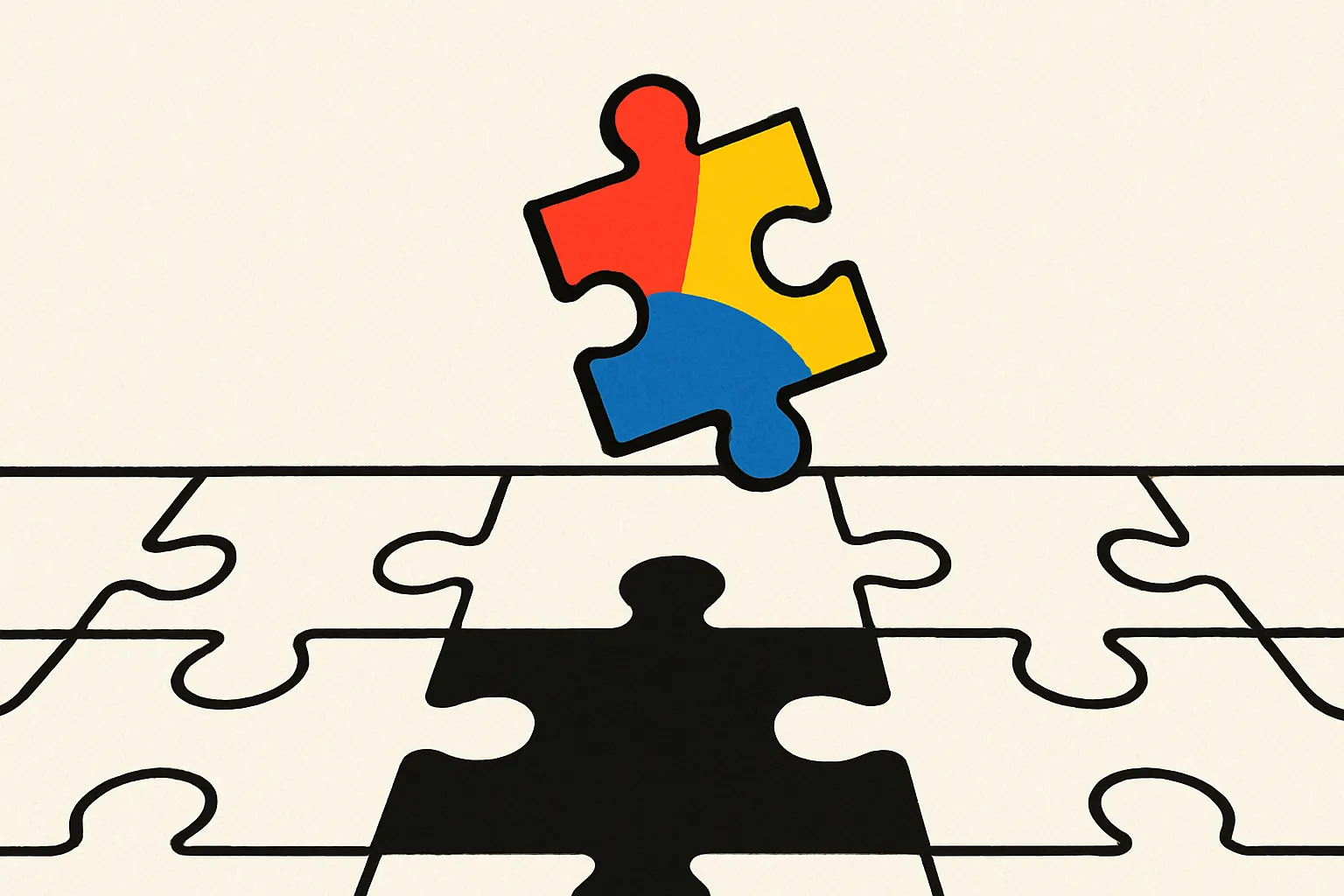
Why Personalization in UX Is Your Competitive Edge
Personalization in UX has evolved from a nice-to-have feature to an absolute necessity. Think about it: when was the last time you engaged with a generic experience that treated you like just another number? Probably never, right? Today's users expect interfaces that understand their needs, anticipate their desires, and adapt to their behaviors. Personalization in UX isn't about gimmicks or flashy features—it's about creating experiences that feel tailor-made for each individual user.
The data backs this up. Personalized experiences can increase engagement rates by up to 74%, and users are 80% more likely to do business with companies that offer personalized experiences. But here's the challenge: getting personalization right requires a delicate balance between being helpful and being creepy. It demands understanding not just what your users do, but why they do it.
In this article, we'll break down the practical aspects of personalization in UX—from basic segmentation strategies to sophisticated individualized customization. You'll learn how to implement personalization effectively, avoid common pitfalls, and measure what actually matters. Whether you're designing a SaaS platform, e-commerce site, or content hub, these insights will help you create experiences that keep users coming back.
Understanding the Personalization Spectrum
Personalization isn't binary—it exists on a spectrum ranging from broad segmentation to hyper-individualized experiences. Understanding where your product sits on this spectrum helps you allocate resources effectively and set realistic expectations.
At the most basic level, you have demographic personalization: showing different content based on location, age group, or device type. This is relatively simple to implement and provides immediate value. For instance, displaying prices in local currency or adjusting content for mobile versus desktop users.
Mid-spectrum personalization involves behavioral targeting—adapting experiences based on past actions, browsing history, or purchase patterns. This is where Netflix recommends shows or Amazon suggests products. It requires more sophisticated data collection and analysis but delivers significantly better results.
At the high end, you have predictive and adaptive personalization: systems that learn individual preferences over time and proactively adjust the interface, content hierarchy, and feature availability. This might mean reordering menu items based on usage frequency or surfacing tools before users even search for them.
The key insight? Start simple. Most products benefit more from executing basic personalization well than from poorly implementing advanced techniques. Build your foundation first, then layer on complexity as you gather data and prove ROI.
The Psychology Behind Effective Personalization
Why does personalization in UX work so well? It taps into fundamental psychological principles that drive human behavior and decision-making.
First, there's the relevance effect. Our brains are wired to filter out irrelevant information as a survival mechanism. When content feels personally relevant, it bypasses these filters and captures attention. This explains why personalized subject lines increase email open rates by 26%—they signal "this matters to you."
Second, personalization leverages cognitive fluency—the ease with which our brains process information. When an interface remembers your preferences, you don't need to relearn it each time. This reduced cognitive load makes experiences feel effortless, which users interpret as better design.
There's also the reciprocity principle: when a system demonstrates it understands and values you as an individual, you're more likely to invest time and energy in return. This manifests as increased engagement, higher conversion rates, and stronger brand loyalty.
However, personalization can trigger negative responses too. Cross the line into feeling invasive, and you activate reactance—the psychological resistance people feel when they perceive their freedom is threatened. This is why transparency about data usage matters enormously.
Understanding these psychological mechanisms helps you design personalization strategies that enhance rather than undermine trust.
Segmentation: Your Personalization Foundation
Before you can personalize at scale, you need robust user segmentation. This means grouping users based on shared characteristics, behaviors, or needs—then tailoring experiences for each segment.
Demographic segmentation is your starting point: age, location, gender, income level. While often criticized as superficial, demographics provide quick wins. A fitness app might surface different workout recommendations for users in their 20s versus those in their 50s, acknowledging genuine differences in fitness goals and physical capabilities.
Behavioral segmentation digs deeper into how users interact with your product. Are they power users or occasional visitors? Do they primarily use mobile or desktop? What features do they engage with most? This data reveals intent and allows you to optimize workflows accordingly.
Psychographic segmentation considers attitudes, values, and motivations. Two users might have identical demographics and behaviors but completely different worldviews that affect how they respond to messaging and design. One might value efficiency above all else; another prioritizes exploration and discovery.
Lifecycle segmentation recognizes that user needs change over time. A new user needs onboarding and education; an established user needs advanced features and shortcuts; a churning user needs re-engagement strategies.
The most effective segmentation strategies combine multiple dimensions. Create personas, but ground them in actual data rather than assumptions. Then build your personalization architecture to serve these segments efficiently.
Dynamic Content: Delivering Relevant Experiences
Dynamic content is the engine that powers most personalization strategies. It refers to interface elements—text, images, layouts, features—that change based on who's viewing them.
At its simplest, dynamic content might be a homepage hero banner that rotates based on user segment. E-commerce sites excel at this: returning visitors see products related to their browsing history, while first-time visitors see general bestsellers or promotional content.
More sophisticated implementations involve adaptive navigation structures. If analytics show a user segment consistently accesses specific features, surface those features more prominently for that segment. This might mean reordering menu items, changing button labels to match user vocabulary, or hiding advanced features from beginners to reduce overwhelm.
Content recommendations represent another crucial application. Rather than showing everyone the same "featured articles" or "popular products," algorithmic recommendations surface items based on individual behavior patterns and preferences. The effectiveness comes from the relevance signal—users learn that suggestions are worth their attention.
Smart forms provide another opportunity. Use progressive profiling to gather information over time rather than overwhelming users with lengthy forms upfront. Pre-fill known information. Show or hide fields based on previous answers. These small touches dramatically reduce friction.
Remember: dynamic content should feel seamless, not jarring. Sudden layout shifts or radically different experiences can confuse users. Test thoroughly and implement changes gradually.
Personalized Onboarding: First Impressions Matter
Your onboarding experience might be your single biggest personalization opportunity. It's when users are most attentive, most willing to share information, and most susceptible to forming lasting impressions.
Generic onboarding treats every user identically, forcing everyone through the same tutorial regardless of their skill level, needs, or goals. This frustrates power users while potentially moving too quickly for beginners. Personalized onboarding solves this by adapting the experience based on user-provided information or behavioral signals.
Start by asking users about themselves—not in a way that feels like work, but framed as improving their experience. "What brings you here today?" or "What would you like to accomplish?" Questions like these segment users immediately and allow you to tailor subsequent steps.
Role-based onboarding works particularly well for B2B products. A marketing manager needs different guidance than a sales representative, even if they're using the same platform. Show each role the features most relevant to their responsibilities first.
Consider progressive onboarding that teaches features contextually rather than all upfront. Users don't need to learn everything on day one. Instead, introduce advanced features when usage patterns suggest users are ready for them.
Track onboarding completion rates and time-to-value for different user segments. This reveals whether your personalization actually improves outcomes or just adds complexity. The goal isn't clever personalization—it's getting users to their "aha moment" faster.
Preference Centers: Putting Users in Control
Nothing undermines personalization faster than making users feel manipulated. Preference centers solve this by giving users explicit control over their experience while simultaneously gathering valuable personalization data.
At minimum, users should control communication preferences: frequency, channels, and content types for notifications and marketing messages. This prevents the personalization paradox where your attempts to engage drive users away instead.
More sophisticated preference centers allow users to specify content preferences: topics they care about, features they use regularly, and goals they're pursuing. Spotify's music taste profile exemplifies this—users explicitly tell Spotify their preferences, which then informs recommendations.
Privacy settings belong here too. Let users decide what data you collect and how you use it. Counterintuitively, giving users control often leads to them sharing more data because they trust you respect their boundaries.
The interface matters enormously. Preference centers buried in settings receive minimal engagement. Instead, prompt users contextually: "We noticed you skip these email types—want to adjust your preferences?" Or proactively suggest optimizations: "Based on your usage, here are some settings we recommend."
Track which preferences users actually adjust. If nobody touches certain controls, they're adding complexity without value. Simplify ruthlessly. The best preference center is invisible because defaults work so well that users rarely need to intervene.
Measuring Personalization Impact
You can't optimize what you don't measure. Personalization efforts need rigorous measurement frameworks to justify investment and guide iteration.
Start with engagement metrics: time on site, pages per session, feature usage rates, and return visit frequency. Compare these metrics between personalized and non-personalized experiences or across different personalization strategies. A/B testing is your friend here.
Conversion metrics demonstrate business impact: signup rates, purchase completion, upgrade rates, or whatever constitutes conversion for your product. Track conversion rates by segment to identify which groups benefit most from personalization.
Satisfaction metrics reveal whether personalization actually improves perceived experience. Use NPS, CSAT, or custom satisfaction surveys. Ask specifically about personalization features: "How relevant is the content we show you?" or "Does this feel tailored to your needs?"
Don't ignore unintended consequences. Monitor metrics like support ticket volume, account deletion rates, and privacy-related feedback. Sometimes personalization introduces confusion or triggers privacy concerns that offset benefits.
Calculate return on investment by comparing the cost of implementing and maintaining personalization systems against the incremental revenue or engagement they generate. Personalization isn't free—it requires data infrastructure, algorithms, design variations, and ongoing optimization.
Create dashboards that make personalization performance visible to stakeholders. Make data-driven decisions about where to double down and where to simplify. Not every personalization attempt succeeds—that's fine. Learn quickly and iterate.
Privacy and Trust: The Personalization Balancing Act
The most sophisticated personalization strategy fails if users don't trust you with their data. Privacy and personalization exist in tension, and navigating this tension skillfully separates great products from mediocre ones.
Transparency is non-negotiable. Explain what data you collect, how you use it, and what benefits users receive in exchange. Vague privacy policies don't cut it anymore. Use plain language: "We track which articles you read to suggest similar content you might like."
Implement data minimization: collect only what you actually need. Just because you can track something doesn't mean you should. Each additional data point increases risk and complexity. Ask yourself: "Will this data meaningfully improve personalization, or am I collecting it 'just in case'?"
Give users meaningful control. This goes beyond preference centers to include data access, export, and deletion. GDPR and CCPA make some of this legally required, but go further voluntarily. Let users see exactly what you know about them and how it affects their experience.
Anonymous and aggregate personalization offers middle ground. You can personalize based on behavior patterns without tying data to identifiable individuals. This works particularly well for content recommendations and interface optimizations.
Build trust through consistency: if you say you won't sell data, don't. If you promise to use data only for personalization, stick to it. One violation destroys years of trust-building.
The reality? Users willingly share data when they see clear value in return. Frame personalization as a value exchange, deliver on promises, and respect boundaries. That's how you build lasting trust.
Avoiding Common Personalization Pitfalls
Even well-intentioned personalization in UX can backfire spectacularly. Here are the traps I see teams fall into repeatedly—and how to avoid them.
Over-personalization creates filter bubbles where users only see content similar to what they've engaged with before. This reduces discovery and can make your product feel stale. Balance personalization with serendipity. Netflix includes a "Popular on Netflix" row alongside personalized recommendations for this reason.
Creepy personalization happens when you reveal too much about what you know. Using someone's recent browsing behavior in an ad they see hours later on a different site feels invasive. The same information used subtly within your product feels helpful. Context and subtlety matter.
Personalization based on insufficient data produces terrible recommendations that undermine trust. If you don't have enough data to personalize accurately, don't. Generic experiences are better than bad personalized ones.
Assuming correlation means causation leads to bizarre personalization. Just because a user looked at winter coats in July doesn't mean they want cold-weather products year-round. They might have been shopping for someone else or planning a trip.
Ignoring the cold start problem: new users have no history, so your personalization system has nothing to work with. Design explicitly for this state. Use smart defaults, encourage explicit preference setting, or start with broader segmentation until you gather individual data.
Analysis paralysis prevents shipping. Teams get so focused on building the perfect personalization engine that they never launch anything. Start simple. Ship incrementally. Learn from real users rather than hypothetical ones.
Quick Takeaways
- Personalization exists on a spectrum—start with basic segmentation and add complexity only after proving simpler approaches work effectively
- Psychology matters: personalization works because it reduces cognitive load, increases relevance, and triggers reciprocity—but can backfire if it feels invasive
- Segmentation is foundational: combine demographic, behavioral, psychographic, and lifecycle data to create meaningful user groups that inform personalization strategies
- Onboarding is your biggest opportunity: personalized first experiences dramatically improve activation rates and time-to-value for new users
- Transparency builds trust: clearly communicate what data you collect, how you use it, and what value users receive in exchange
- Measure relentlessly: track engagement, conversion, and satisfaction metrics to understand whether personalization delivers actual value
- Give users control: preference centers and privacy settings aren't obstacles—they're trust-building tools that often lead to users sharing more data
Creating Experiences That Feel Uniquely Yours
Mastering personalization in UX isn't about implementing every sophisticated algorithm or collecting every possible data point. It's about understanding your users deeply enough to anticipate their needs and designing systems that adapt naturally to serve them better.
The most successful personalization strategies share common characteristics: they start simple and layer on complexity gradually, they prioritize user control and transparency, they measure impact rigorously, and they balance relevance with discovery. These principles apply whether you're designing a content platform, SaaS tool, or e-commerce experience.
Remember that personalization serves users, not just business metrics. Yes, personalized experiences typically drive better engagement and conversion rates, but those outcomes flow from genuinely improved user experiences. When you focus on solving real user problems through personalization, the business results follow naturally.
The technical implementation matters less than the strategic thinking behind it. You don't need machine learning or complex algorithms to deliver value—you need clear user insights, thoughtful segmentation, and disciplined execution. Start with what you can implement now, prove it works, then invest in more sophisticated approaches.
The competitive landscape will only intensify. Users increasingly expect experiences that understand them, and products that deliver generic, one-size-fits-all interfaces will lose out. But you also have an opportunity: by implementing personalization thoughtfully and ethically, you can build deeper user relationships and stronger competitive moats.
Ready to implement personalization that actually drives results? Start by auditing your current experience through a personalization lens. Where do all users see identical content despite having different needs? Those gaps represent your biggest opportunities. Pick one, implement personalization, measure the impact, and iterate. That's how you build experiences users genuinely love.
Frequently Asked Questions
What's the difference between personalization and customization?
Personalization is system-driven—the product adapts automatically based on data and algorithms without explicit user action. Customization is user-driven—users manually configure their experience through settings and preferences. The best products combine both: smart defaults through personalization plus customization options for users who want explicit control.
How much data do I need before implementing personalization?
You can start with basic demographic and behavioral segmentation immediately, even with limited data. However, individual-level algorithmic personalization typically requires meaningful interaction history—at least 5-10 data points per user. Until you have sufficient data, focus on segment-level personalization and smart defaults based on similar users.
Will personalization hurt my SEO since search engines see different content?
Not if implemented correctly. Use server-side rendering for personalized content, ensure search bots see your default experience, and avoid cloaking (showing search engines fundamentally different content than users). Google has explicitly stated that personalization doesn't hurt SEO when done transparently. Most importantly, personalization typically improves engagement metrics that positively influence rankings.
How do I personalize for new users with no history?
Address the cold start problem through explicit preference gathering during onboarding, leveraging demographic data or device information, using collaborative filtering to learn from similar users, or starting with high-quality defaults that work for most users. Many successful products combine these approaches: smart defaults plus quick questions to refine the experience immediately.
Should I tell users when I'm personalizing their experience?
Generally yes, with nuance. Broad transparency builds trust—let users know you personalize and why. However, constantly calling attention to specific personalizations can feel manipulative. A privacy policy that explains personalization plus contextual indicators (like "Recommended for you") strikes the right balance. Transparency about the system without highlighting every instance.